
ReConnecting You To Life's Melody
- 60 Day Satisfaction Guarantee
- Highly Recommended by Physicians
- Lifetime Care
- Complimentary Hearing Test for Individuals Over 55
- Affiliated with Alberta ENT
- Product Price Match

Downtown: 780-784-1349
Mill Woods: 780-758-1349
St. Albert: 780-590-1349
South Edmonton: 780-809-1349
Sherwood Park: 587-689-7249
Calgary: 780-590-1349
Hearing Services
Regular hearing tests are key to good hearing health and a better life. These tests catch early signs of hearing changes and help you act quickly. Our team is here to guide and support you. By taking care of your hearing, you stay connected and enjoy every moment.
At Melody Audiology, we recognize the deep impact of hearing loss. Our prime focus? Hearing aids. We offer top-tier devices that not only amplify sound but restore its vibrancy. With our supportive team guiding you, find the ideal hearing aid tailored for you. Together, you can rediscover life’s melodies.
At Melody Audiology, we know that protecting your hearing is just as important as improving it. Everyday noise can harm your ears over time. Our range of hearing protection products ensures you can enjoy activities without risking your hearing health. With our help, you can live life loudly and safely.

RELIABLE HEARING SERVICES
Discover the Benefits
of Melody Audiology
Expertise
As hearing experts, we provide comprehensive testing and work with ENT specialists to ensure the care of your hearing health.
Lifetime Care
We support our people and products with follow-up cleaning and check-ups.
Best Value Price Promise
We are committed to offering you the most competitive prices for hearing aids, including matching the same product, ensuring you receive the best value for your investment.
60-days money back
With a 60-day return policy on Hearing Aids, you have the opportunity to seamlessly integrate them into your life and determine if they are the perfect fit for you.



TESTIMONIALS
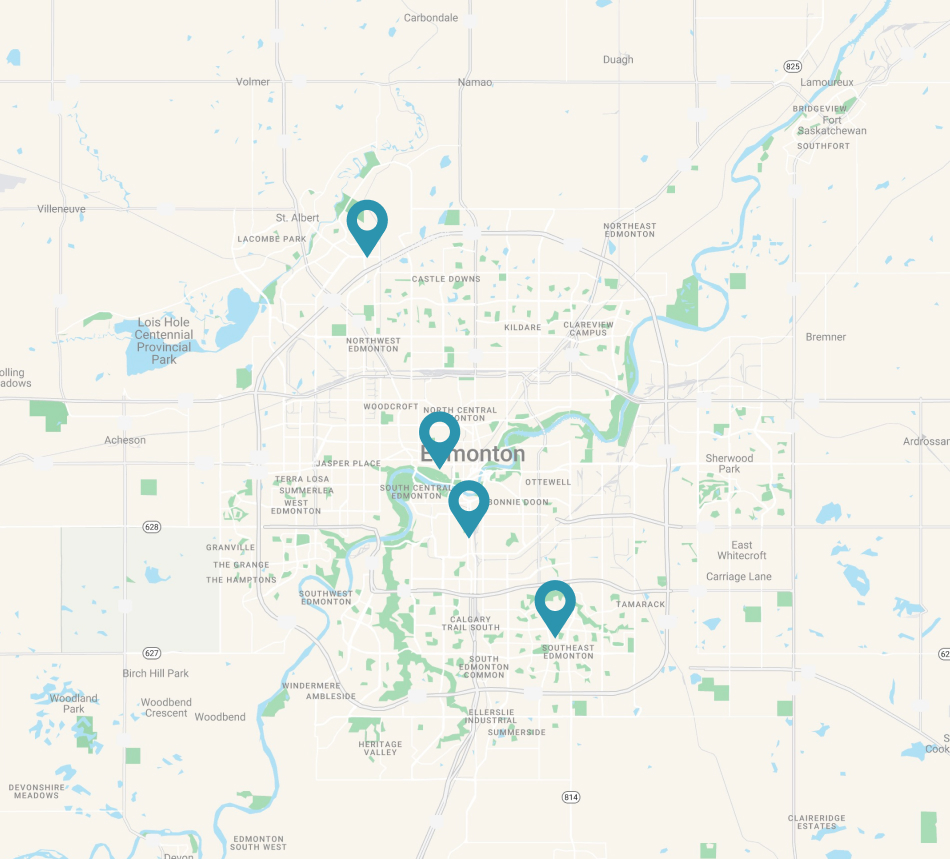
Locations
Address:
11104 102 Ave NW Unit 200,
Edmonton, AB T5K 2H4
Get Directions ->
Address:
Address:
Address:
Address:
Address:
780-590-1349
5340 1 St SW,
Calgary, AB T2H 0C8
Get Directions ->
Address:
Coming Soon
6078 Andrews Way SW,
Edmonton, AB T6W 3S9
Get Directions ->
FAQ
Your Hearing Clinic Queries Answered
A local hearing clinic is often better suited for ongoing support and long-term hearing health management because care is designed around continuity rather than single transactions. Hearing needs change over time, and locally owned clinics emphasize regular follow-ups, monitoring, and education to ensure solutions remain effective as those changes occur. Patients benefit from working with the same professionals who understand their history, preferences, and goals.
Ongoing support at a local hearing clinic goes beyond hearing aid fittings. It includes routine hearing assessments, device maintenance, performance checks, and guidance on managing hearing in different environments. Because practitioners are familiar with each patient’s journey, they can identify subtle changes early and recommend adjustments before issues become disruptive.
Local hearing clinics also prioritize accessibility. Patients can easily book appointments, ask questions, or request support without navigating corporate systems. This openness encourages patients to stay engaged in their hearing care rather than delaying visits or tolerating unresolved issues. Over time, this proactive approach helps preserve hearing health and improves overall satisfaction.
By focusing on relationships, education, and consistent care, a local hearing clinic supports hearing health as an ongoing process. This model helps patients maintain confidence, comfort, and quality of life as their hearing needs evolve.
A locally owned hearing clinic stays accountable to patients by building long-term relationships within the community it serves. Because these clinics are independently operated, their reputation depends directly on patient trust, satisfaction, and outcomes. This creates a strong incentive to provide honest recommendations, consistent follow-through, and a high standard of care at every stage of the hearing journey.
Accountability is reinforced through continuity of care. Patients typically see the same hearing professional over time, allowing practitioners to take responsibility for assessments, recommendations, and ongoing results. When adjustments are needed or concerns arise, there is a clear point of contact who understands the patient’s history and is invested in resolving issues effectively.
Locally owned hearing clinics also maintain accountability through transparency. Treatment options, expectations, and next steps are discussed openly, helping patients make informed decisions without pressure. Because decisions are made at the clinic level rather than by a corporate office, practitioners can prioritize what is clinically appropriate rather than what aligns with sales targets or standardized programs.
Most importantly, local hearing clinics are accessible. Patients can easily contact the clinic, speak directly with staff, and receive timely responses. This direct communication fosters trust and ensures concerns are addressed promptly. By remaining visible, responsive, and personally invested in patient outcomes, a locally owned hearing clinic demonstrates accountability that extends beyond individual appointments.
Follow-up appointments and adjustments are often easier at a local hearing clinic because care is managed directly by the same team that provided the initial assessment and fitting. There is no centralized booking system or rotating staff, which allows patients to schedule visits more quickly and see a familiar practitioner. This continuity helps streamline care and reduces the frustration of repeating concerns at each appointment.
Locally owned hearing clinics view follow-up care as an essential part of hearing health, not an optional add-on. Adjustments are expected as hearing aids settle in, listening environments change, or hearing levels shift over time. Because of this, local hearing clinics encourage patients to return whenever something does not feel right, whether that involves sound clarity, comfort, or device performance.
Patients also tend to feel more comfortable reaching out to a local hearing clinic. Knowing the staff and practitioner personally makes it easier to ask questions, request adjustments, or book additional visits without hesitation. This accessibility supports timely fine-tuning, which plays a critical role in long-term hearing aid satisfaction.
By removing barriers to follow-up care, a local hearing clinic helps ensure hearing solutions remain effective, comfortable, and aligned with everyday needs. The result is a more responsive care experience and better overall hearing outcomes.
Yes, a local hearing clinic can often assist patients who have hearing aids purchased elsewhere. Many clinics offer services such as hearing aid assessments, adjustments, cleaning, and maintenance regardless of where the devices were originally obtained. This flexibility is a key advantage of locally owned clinics.
When you visit a local hearing clinic, the practitioner will typically evaluate your current hearing aids and assess whether they are properly programmed for your hearing needs. If adjustments are needed, they can often be made to improve comfort, clarity, and performance.
Local clinics also provide guidance on whether existing hearing aids remain suitable as hearing changes. If new solutions are recommended, patients can make informed decisions without pressure, knowing their best interests are the priority.
Long-term hearing care requires ongoing monitoring, adjustments, and support as hearing needs change over time. A local hearing clinic is well positioned to provide this continuity because patients typically work with the same practitioners for years. This consistency allows for better tracking of hearing health and more proactive care.
Locally owned clinics prioritize relationship-based care, which encourages regular follow-ups and open communication. Patients are more likely to return for routine check-ups, hearing aid maintenance, and preventive services when they feel supported and understood.
Because local clinics are invested in their community, they focus on sustainable care rather than short-term outcomes. This approach supports early intervention, timely adjustments, and education that helps patients manage hearing health effectively.
A locally owned hearing clinic is independently operated by professionals who live and work in the community they serve, rather than being managed by a national corporation or franchise. This means decisions about patient care, services, and recommendations are made locally, with a strong focus on individual needs rather than corporate targets. At a local hearing clinic, the priority is building long-term relationships with patients and providing consistent, personalized care over time.
Because locally owned hearing clinics are not bound by standardized sales models, practitioners have greater flexibility to recommend hearing solutions based on clinical need rather than inventory quotas. Patients often see the same professionals at each visit, which allows for better continuity of care and a deeper understanding of hearing health history. This personalized approach helps ensure hearing assessments, hearing aid fittings, and follow-up care are tailored to each individual.
A local hearing clinic is also deeply invested in the community. These clinics rely on reputation, trust, and word-of-mouth referrals, which encourages higher standards of care and accountability. Patients can expect transparent communication, honest recommendations, and support that extends beyond a single appointment.